The way to analyze genetic data didn't exist. So she built it.
The idea she carried for years finally became buildable
There's a certain kind of confidence that comes from experience.
It usually shows up as restraint. A willingness to wait, to test things quietly, and to see what actually holds up over time. People who've spent years building real systems tend to develop that instinct because they've seen enough cycles to know that most "breakthroughs" don't actually change how work gets done.
In fields like healthcare, that instinct gets even stronger. The cost of being wrong is higher, and the systems are less forgiving. New tools don't get adopted because they're exciting. They get adopted when they prove they can be trusted.
So when AI started showing up everywhere, it didn't immediately land for Nataly Smith.
She had already seen a gap that felt much more concrete. The way people actually worked with genetic data didn't match what the tools allowed.
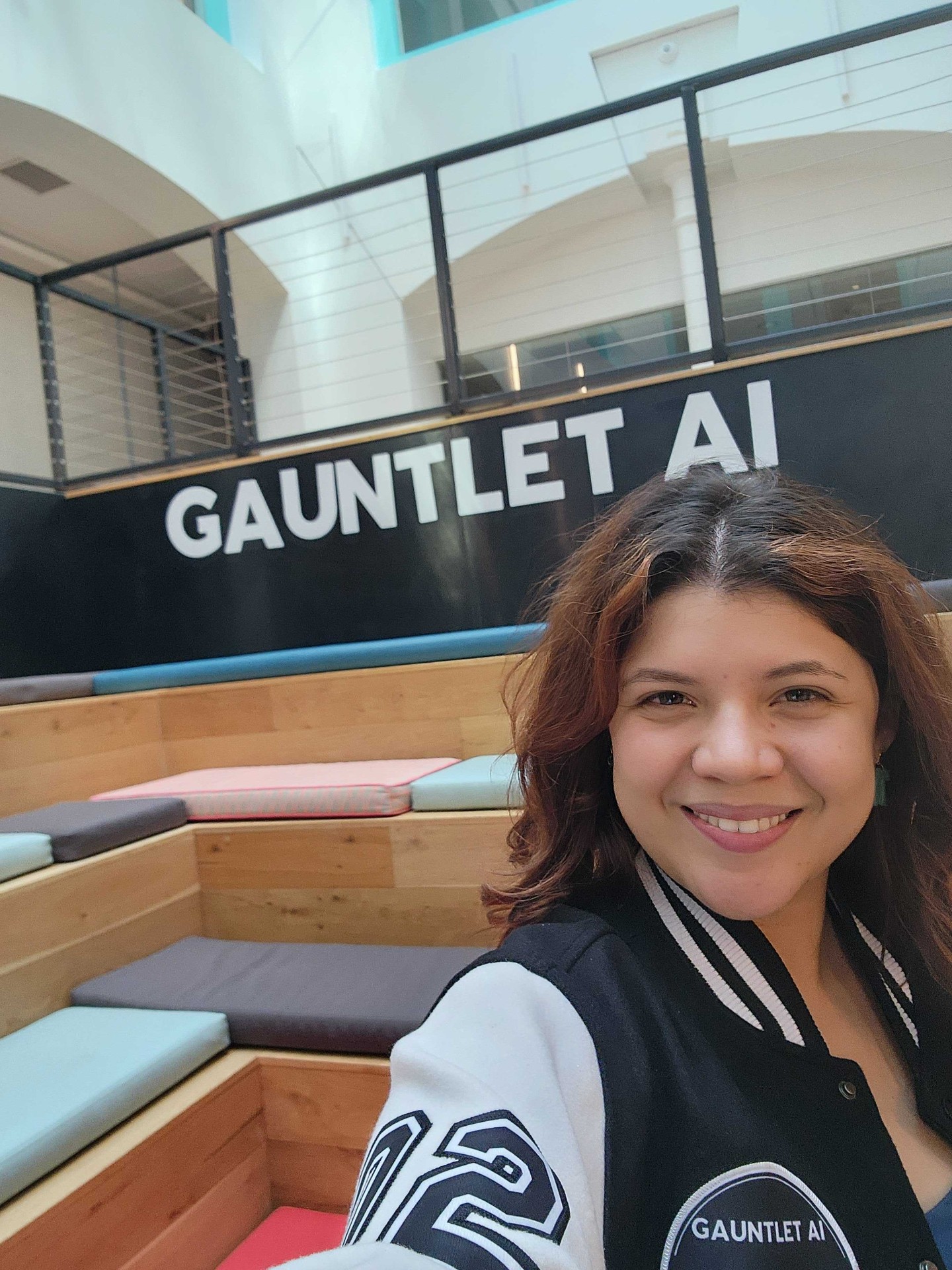
At the same time, there was something she had been carrying for years.
It started during a college internship at a cancer research institute in Austin, where she worked on predictive models for how cancer proteins behave. The work was technical, but what stayed with her wasn't just the modeling. It was the gap she kept running into.
GeneKnow was a dream project that I have had in the back of my mind since college.
She could see what needed to exist. A way to take genomic data and make it usable without requiring someone to become an engineer first. A system where sensitive data didn't have to leave your machine just to get an answer.
Looking back, Nataly frames this as an access issue more than anything else. The people closest to the science didn't lack intelligence or motivation. They lacked tools that met them where they were. As she put it, "The people who need to use it, the scientists, don't know how to use it a lot of the times."
She had lived that transition herself, moving from a scientific background into engineering, and she knew how steep that curve could be. "The learning curve from being scared of a terminal to using an agent is so big."
So the idea stayed in the background. It wasn't abandoned. It just wasn't buildable yet.
That changed at Gauntlet
Before that, she was working as a senior full stack developer in biomedical software, building systems for cell sequencing machines. It was structured, detail-heavy work, and she had built her career in that environment. She wasn't looking for a shift into AI, and she wasn't convinced by it. "I was a total complete trad developer… and honestly a super skeptic about new technologies in general."
Gauntlet forced a different pace and a different approach. It was hands-on, project-based, and built around shipping under pressure.
Less than a day in, she hit a point where her normal way of working stopped being effective. The assignment felt too large to approach the way she usually would. Late into the night, she reset and tried again, this time leaning into the tools instead of trying to control them.
A couple hours later, here was a full app that was deployed and live… I had done it in the span of a night.
That moment reframed things. It wasn't just that she could move faster. It was that the scope of what she could take on had expanded.
And during that same window, she started building something she had been thinking about for years.
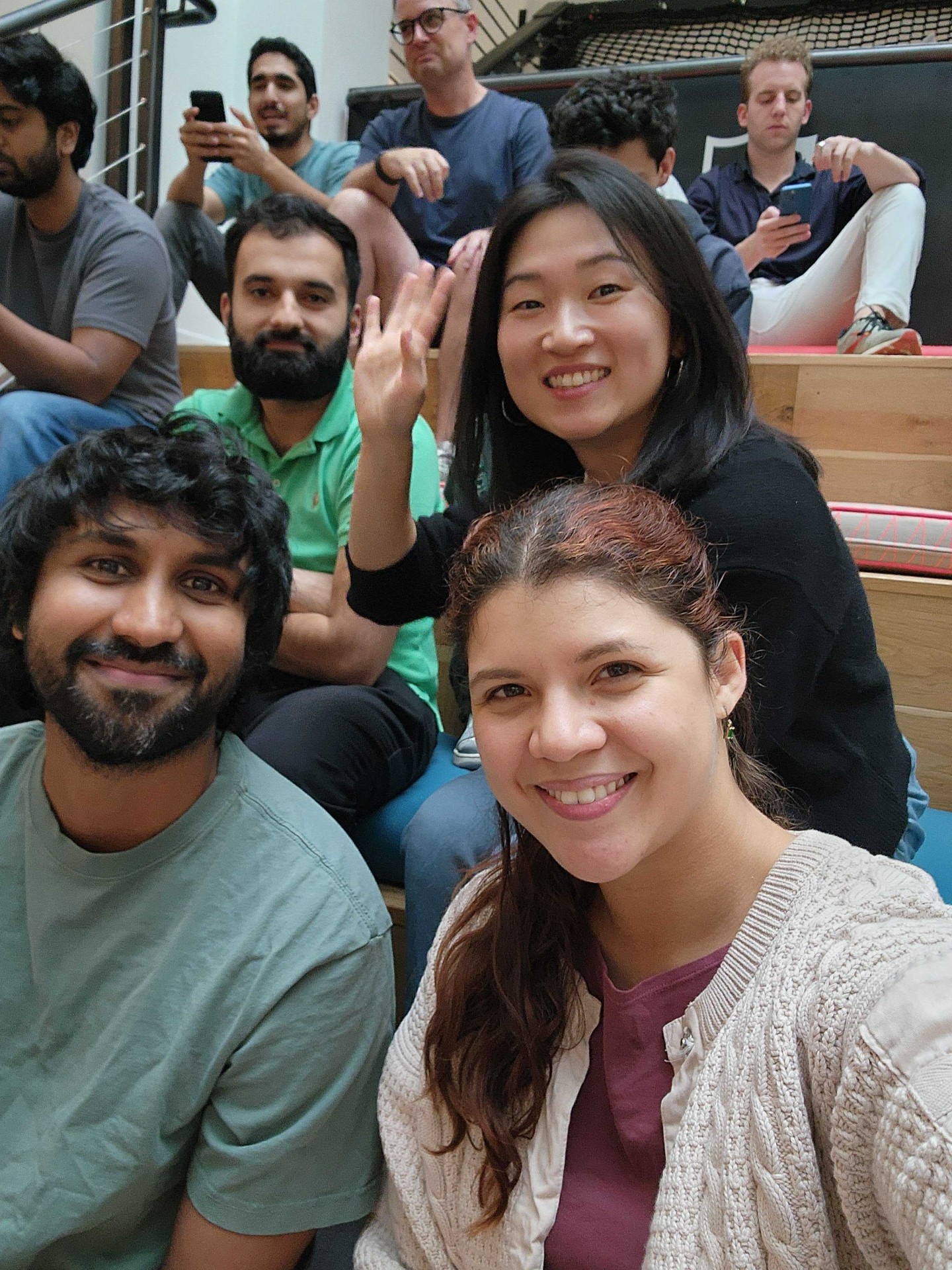
The loop got tighter
After that, the changes showed up in ways that were easy to measure. Instead of spending days scoping and building, she could move from idea to working system in a matter of hours. Work that previously required sustained effort over multiple days could now be tested, iterated on, and refined much more quickly.
As she put it more directly, "my development time has gone from scoping it a couple of days to hours."
The work didn't get simpler. The loop got tighter. And that tighter loop finally made room for the idea she'd been carrying in the back of her mind for years.
That idea became GeneKnow.
GeneKnow
A privacy-first genomic analysis platform
GeneKnow moved from concept to something real. It started during Gauntlet, and continued beyond it into a working product. Today, it exists as a privacy-first genomic analysis platform that runs entirely on a local machine. Genetic data stays on the device, with no cloud uploads or external storage.
Live Product
GeneKnow
Privacy-first genomic analysis platform — visit site ↗
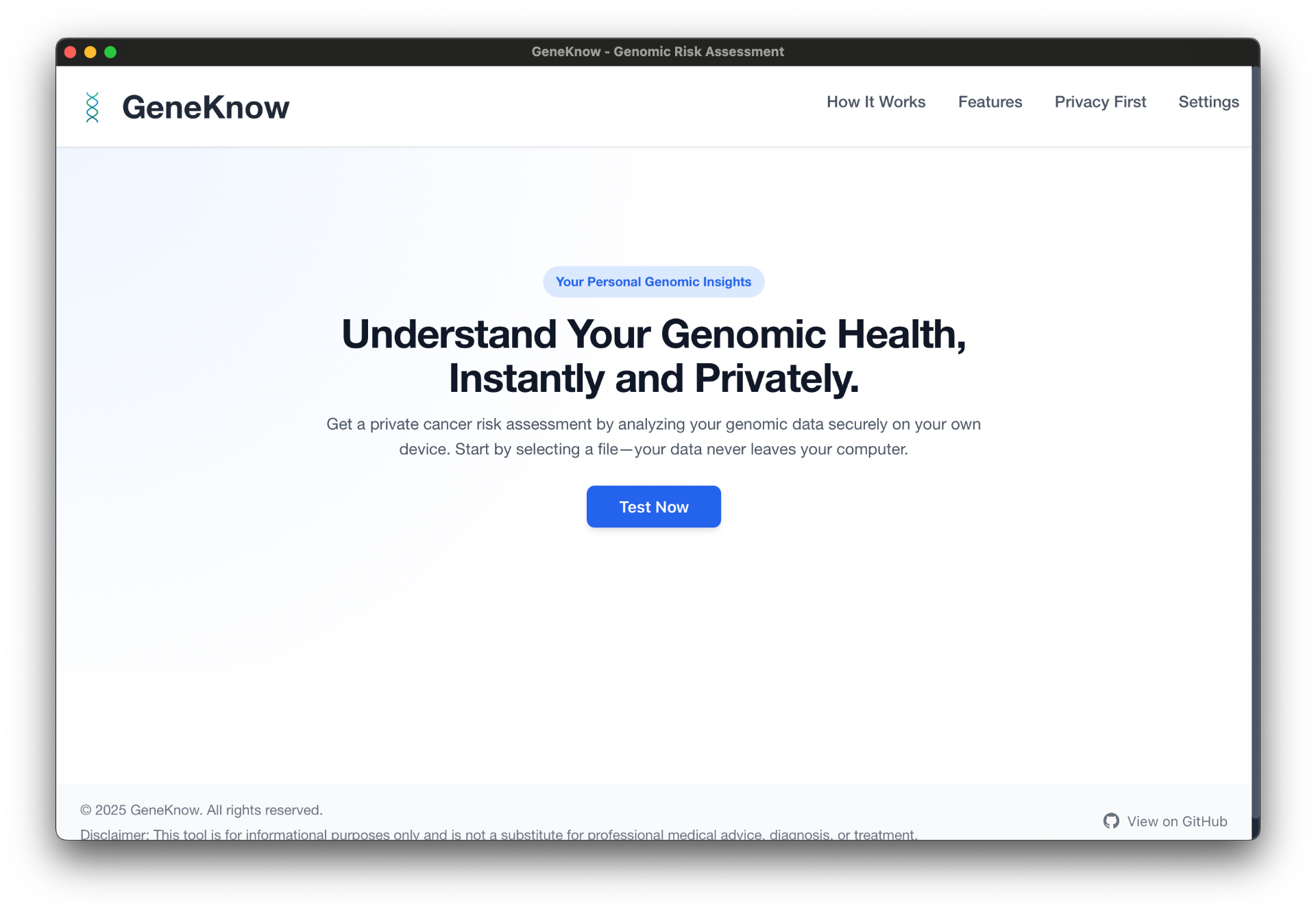
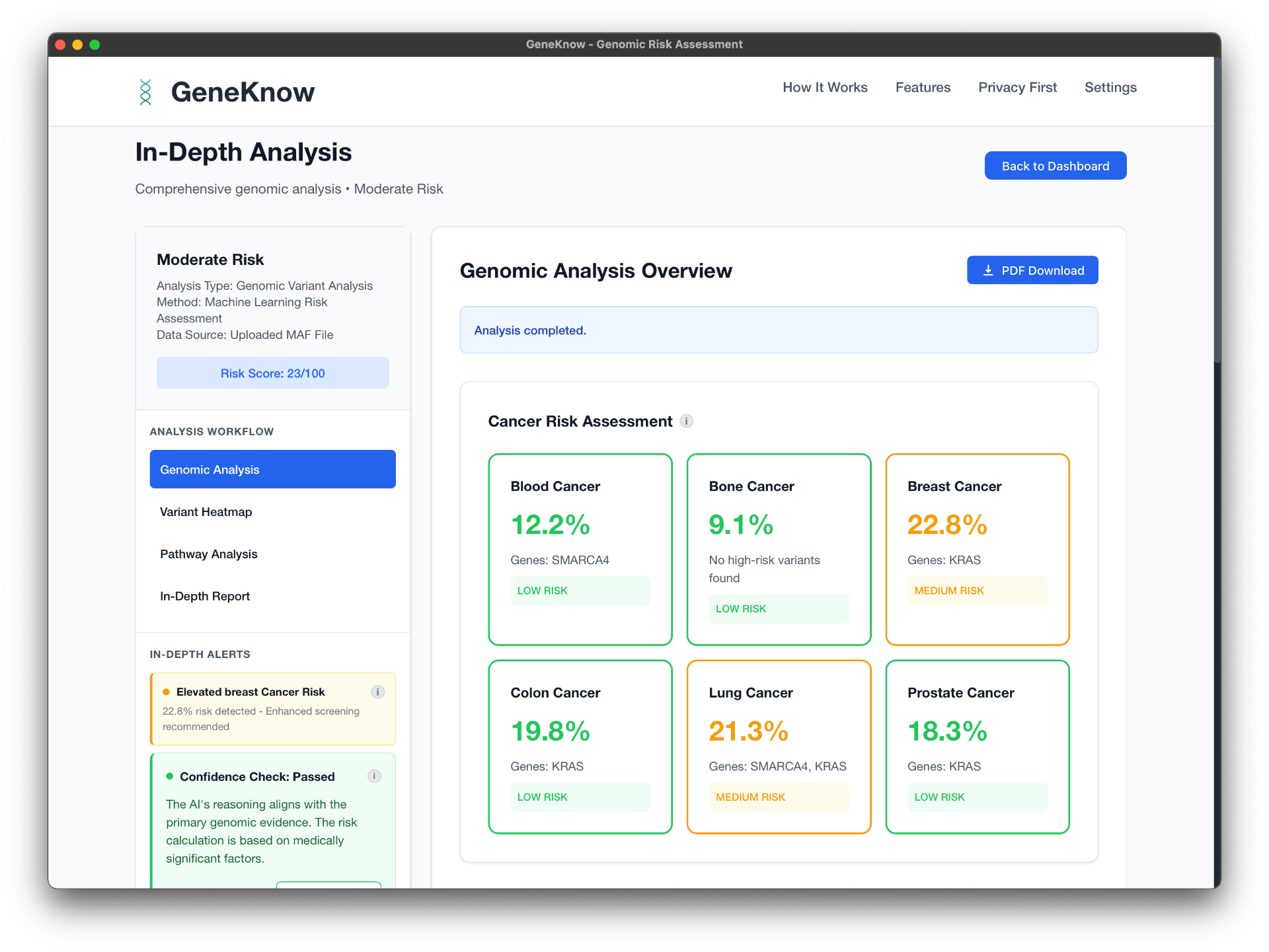
She also wrote a white paper outlining how the system works, including the modeling approach and design decisions behind keeping everything local. In her own words:
"GeneKnow represents a paradigm shift in genomic risk assessment—a completely free, open-source desktop application that performs sophisticated cancer risk analysis without compromising patient privacy. By processing all data locally on users' hardware, it eliminates the security risks inherent in cloud-based genomic tools while maintaining clinical-grade analytical capabilities."
White Paper
GeneKnow Whitepaper
Read the full technical overview — PDF ↗
The system uses machine learning models trained on large genomic datasets to assess risk and identify patterns, but the underlying focus hasn't changed from the original idea.
From Nataly's perspective, the limiting factor isn't capability. It's access. The people who understand the domain best still face a steep barrier when it comes to using these tools directly.
GeneKnow is her attempt to close that gap in a practical way. It gives people a way to work with their own data without needing to hand it off or translate it through someone else.
What came after
After Gauntlet, she joined Function Health as a Senior Software Developer on their AI platform team. The work there lines up closely with what she had been building, integrating language models and agent-based systems into real applications with real constraints.
The pace is high, and the expectations are strict. The systems involve medical data, which means everything has to be handled carefully and validated properly.
Her workflow reflects that shift in a more complete way now. She ships frequently, often every few days, and works on features within a large production system. The limiting factor is no longer just execution. It's how quickly she can structure a problem and evaluate what comes back from the system.
She has also influenced how others work. After sharing how she uses tools like Cursor, adoption spread across her team, and people began building their own internal tooling and workflows. She described that change simply, saying it "fostered" new ways of working across the team.
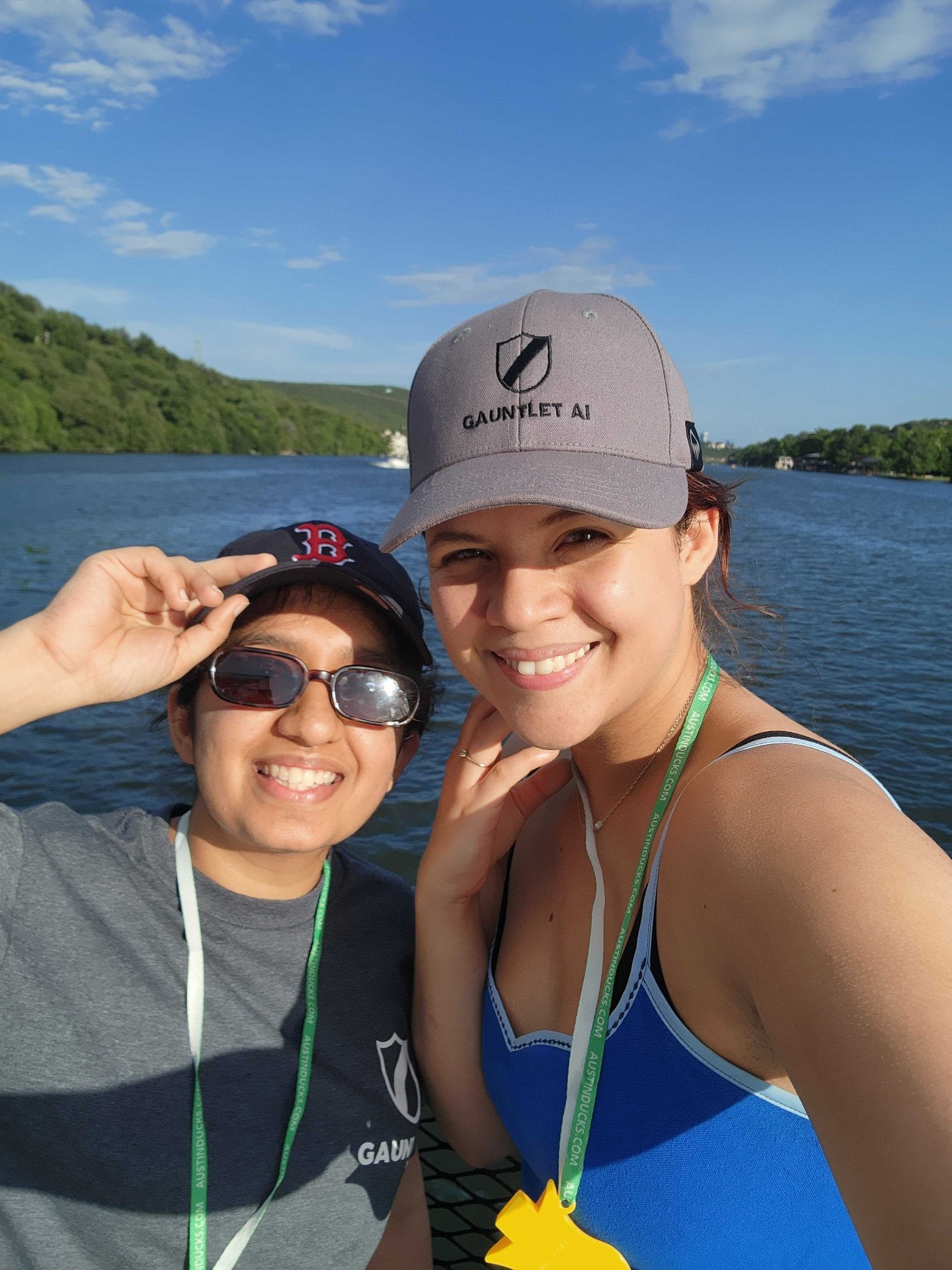
What stands out in her story is how consistent the idea has been.
She didn't start with AI and look for something to build. She had already found the thing she cared about. The challenge was that it wasn't practical to execute at the time.
Now it is.
Yeah… it was a dream project.
For a long time, it stayed in the background because the tools weren't usable in the right way. Now they are, and that changes what can be built.
And it doesn't stop with her.
The same shift that changed how she works is starting to show up closer to home. Her husband, who had been watching from the outside, is now going through Gauntlet himself in cohort four. What started as something she was skeptical of has turned into something they're both building around.
It's a reminder of how these changes tend to happen in practice. One person figures out how to use the tools, then it spreads. Not all at once, but through proximity, curiosity, and shared work.
Over time, it becomes less about the tools themselves and more about what they make possible when they finally line up with the work someone has been trying to do all along.
If you'd like to follow in the footsteps of Nataly and become AI-native to solve real problems, consider applying to Gauntlet Cohort 5.
Apply to Cohort 5